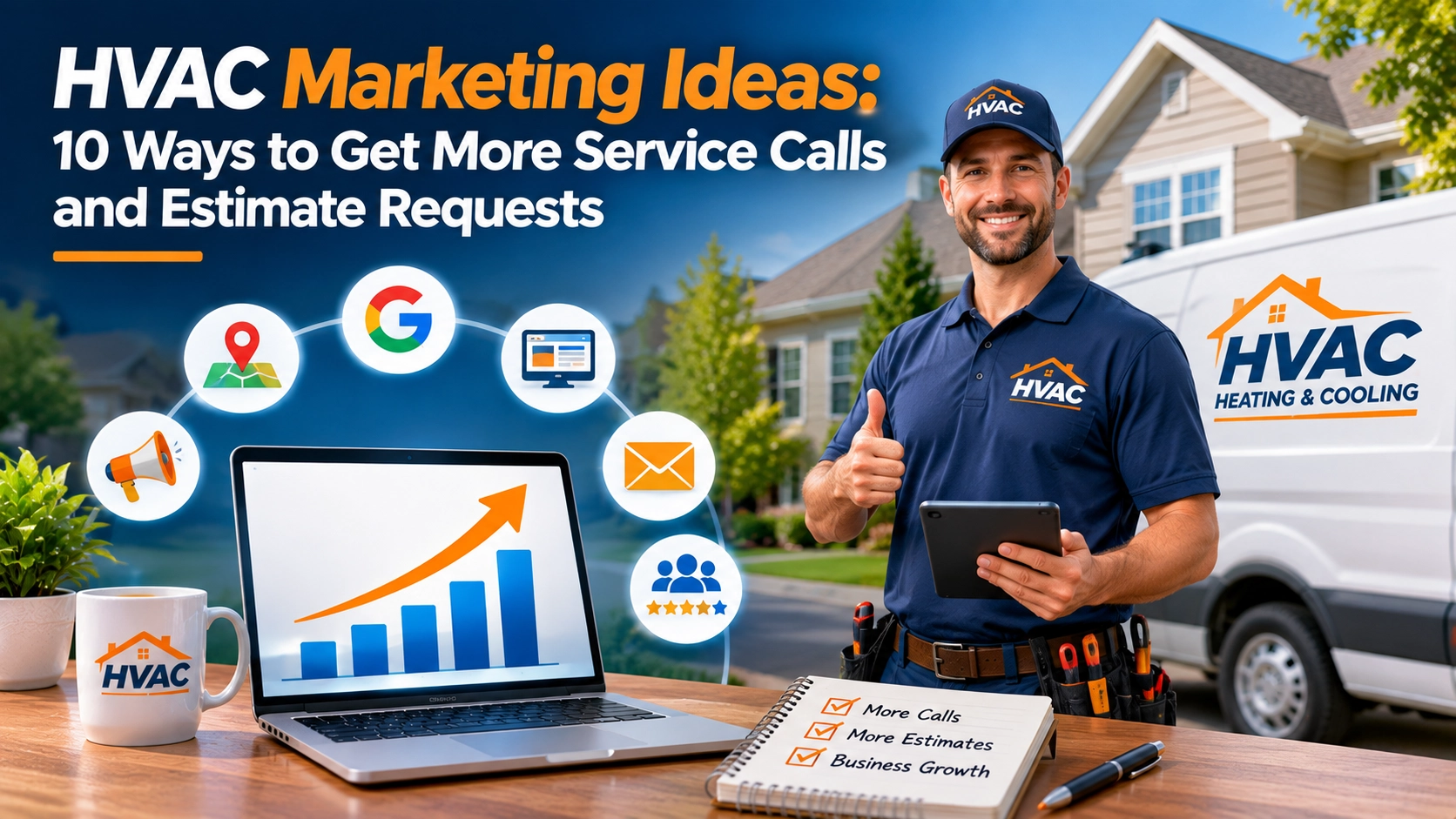
HVAC Marketing Ideas: 10 Ways to Get More Service Calls and Estimate Requests
You have good technicians, well-stocked trucks and a reputation for doing the job right. Yet the schedule still swings between overbooked weeks in July and quiet days in April, and replacement estimates arrive in bursts instead of a steady flow.
Most HVAC companies start out on referrals and weather. Both are valuable, but neither is in your control. Referrals depend on customers remembering to mention you, and seasonal demand disappears the moment temperatures turn mild. To grow on purpose, you need a few marketing channels you can actually steer.
Each idea below explains what to do, why it helps and what to measure. You do not need all ten. Pick the two or three that fit your business, do them well, and build from there.
10 HVAC Marketing Ideas That Bring In Calls and Estimates
1. Make Your Google Business Profile Work Harder
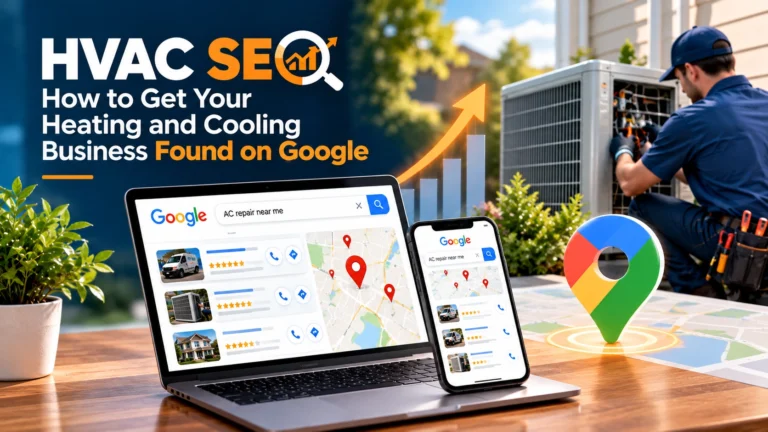
When a homeowner searches “AC repair near me,” the map results with Business Profiles usually appear before most websites. Google says local results are driven mainly by relevance, distance and prominence, and that you cannot pay for a better local ranking. That makes your profile one of the highest-value free marketing assets you have.
How to start:
- Use your real business name, accurate categories (such as HVAC contractor) and the service areas you truly cover
- List each core service, such as AC repair, furnace replacement and heat pump installation
- Add real photos of your team, vans and finished installs, and post seasonal updates
- Keep hours accurate, including holiday and after-hours availability
Example: before the first cold snap, post an update about furnace safety checks with a link to book.
Measure: calls, website clicks and direction requests from your profile’s performance data. For a longer-term plan, see how local SEO for HVAC companies builds on the profile.
2. Build a Page for Every Service You Want More Of
A single “Services” page cannot convince someone who needs a heat pump and someone whose AC died last night. Dedicated pages let you speak to each need, and they give Google a clear page to show for each search.
How to start:
- Create pages for your most profitable services first, for example AC replacement or heat pump installation
- On each page, explain what the service includes, common warning signs, the areas you serve and what happens after someone calls
- End every page with one clear next step: Call Now or Request an Estimate
Example: a “Heat Pump Installation in [City]” page that explains how a heat pump differs from an AC, which homes it suits, and how the estimate visit works.
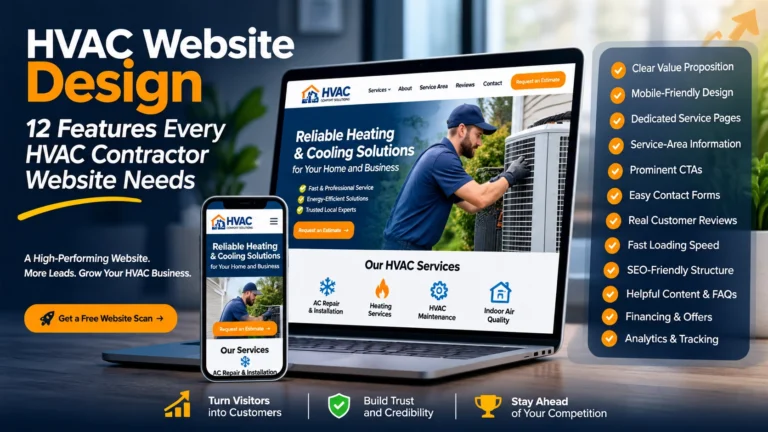
Measure: estimate requests and calls that start on each service page. A well-structured HVAC website design makes this much easier to manage.
3. Make It Effortless to Call, Book and Get an Answer
Marketing that sends people to a site where they cannot find the phone number, or to a phone nobody answers, is wasted money. Fixing the path to contact often produces results faster than any new campaign.
How to start:
- Put a tap-to-call number in the header of every page on mobile
- Keep forms short: name, phone, ZIP code, service needed, short description
- Decide who answers calls during busy periods and after hours, and use a call-back process for missed calls
- Reply to form submissions quickly, ideally within the same business day
Example: on a 98-degree day, a homeowner who reaches a live person or gets a call back within minutes has little reason to keep calling other companies.
Measure: missed calls, time to first response and the share of inquiries that become booked jobs.
Organic visibility takes time. Paid search can put you in front of homeowners now, as long as the budget is running.
- Local Services Ads often appear at the top of home service searches and are billed per valid lead, not per click.
- Google Ads search campaigns are usually billed per click and give you more control over keywords, ad text and landing pages.
How to start:
- Target only the services and ZIP codes you actually want
- Send search ads to the matching service page, not the homepage
- Add negative keywords for searches you do not want, such as DIY parts or jobs
- Turn on call conversion tracking so you can see which ads produce calls
Example: a campaign focused only on “furnace replacement” in your top three towns during fall, sending clicks to a dedicated replacement page.
Measure: cost per lead, lead quality and booked jobs, not just clicks. Our HVAC lead generation page explains how paid campaigns and tracking fit together.
5. Ask Every Satisfied Customer for a Review
Reviews influence which company a homeowner calls, and Google lists reviews among the prominence signals for local ranking. The simplest way to get more is to ask consistently.
How to start:
- Ask in person at the end of a good job, then send a direct link to your Google review page by text or email
- Ask every customer, not just the ones you expect to be happy
- Reply to every review, including complaints, calmly and professionally
Stay within the rules. Google’s policies prohibit offering discounts or gifts in exchange for reviews and selectively asking only happy customers. The FTC’s 2024 rule also bans fake reviews and incentives tied to positive sentiment.
Example: your technician finishes an AC repair, confirms the customer is happy, and the office sends the review link that evening.
Measure: new reviews per month and your average rating over time.
6. Turn One-Time Repairs Into Maintenance Plan Members
Customers who already trust you are usually easier to win back than strangers are to win over. A maintenance plan (often two tune-ups a year, one for cooling and one for heating) keeps you in regular contact with homeowners, smooths out slow months, and puts your technician in front of aging equipment before it fails.
Offer the plan right after a repair, when the customer has just seen what a breakdown costs. Keep it simple, list exactly what is included, and make renewal easy.
When a plan member’s 15-year-old system starts needing frequent repairs, your technician is already there to talk honestly about repair versus replacement. That is how many replacement estimates begin.
Track the number of active members, renewal rate, and how many repairs and replacement estimates come from members.
7. Start a Simple Referral Program
Most contractors get referrals, but few ask for them on purpose. A clear, simple program turns satisfied customers into a steady source of warm leads.
- Tell customers you welcome referrals, and make it easy with a short card or text they can forward
- Thank referrers with something appropriate, such as a service credit or a gift card
- Keep referral rewards completely separate from reviews, so you never pay or reward anyone for a review
- Check any local rules that apply to referral incentives in your state
Measure referrals by asking every new caller “How did you hear about us?” and recording the answer.
8. Follow Up on Estimates and Past Customers
Many replacement estimates do not close on the day of the visit. Homeowners compare quotes, talk it over or wait for a better month. A polite, well-timed follow-up keeps you in the conversation.
Practical follow-ups include:
- A check-in two or three days after a replacement estimate, answering common questions about financing options you genuinely offer or installation timing
- A seasonal reminder before peak heating or cooling season to schedule maintenance
- A short thank-you after each completed job, with your review link
Only email or text customers who have given permission, and follow the rules. For marketing emails, the FTC’s CAN-SPAM guide requires honest subject lines, your physical postal address and an easy opt-out that is honored within 10 business days. Text messages have their own consent rules, so confirm them before sending.
Measure estimate close rate, replies and bookings from each type of message.
9. Plan Seasonal Campaigns Before Demand Peaks
HVAC demand follows the weather. The contractors who win the rush usually start before it arrives.
In spring, promote AC tune-ups before the first heat wave. In late summer and early fall, promote furnace safety checks and heat pump inspections. In slower shoulder months, focus on maintenance plans, indoor air quality and replacement planning, when homeowners have time to make a considered decision.
Pair each campaign with something useful, such as a short article on signs an AC needs attention before summer, a Business Profile post and an email to past customers. Only promote discounts you can honor, with clear terms and end dates.
Compare bookings and estimate requests in each campaign window with the same period last year.
10. Build Local Partnerships That Send You Work
Some of your best leads come from people who meet homeowners before you do. Relationships with real estate agents, home inspectors, property managers, remodeling contractors and plumbers or electricians who do not offer HVAC can produce steady, high-quality referrals.
Start with a handful of partners, give them a direct contact and respond fast to their clients. For example, a home inspector who flags an aging furnace can pass the buyer your number for a replacement estimate before closing.
The honest test of a partnership is simple: track how many calls and jobs each partner actually sends you.
How to Choose the Right HVAC Marketing Ideas for Your Business
You do not need all ten. The right mix depends on your situation:
- Your main services and revenue goals. If replacements drive your profit, prioritize replacement pages, estimate follow-ups and partnerships with inspectors and realtors.
- Your service area and competition. In a crowded metro, paid search can be expensive, so a strong Business Profile and reviews matter even more.
- Budget and staff time. Reviews, referrals and follow-ups cost little money but need someone to own them.
- Immediate leads or long-term visibility. Local Services Ads and Google Ads can generate inquiries while campaigns are running, and stop when the budget stops. SEO and content build more slowly but keep working over time. Many contractors use both, and our HVAC SEO page explains the long-term side.
- Your capacity. More calls only help if someone can answer them and your crews can take the work. Fix response times before you increase ad spend.
A practical starting point for many small contractors: Business Profile, reviews and a fast response process first, then service pages and follow-ups, then paid campaigns once tracking is in place.
How to Measure HVAC Marketing Results
Clicks and website traffic are easy to count, but they do not pay the bills. Measure the steps that lead to revenue:
- Phone calls, ideally with call tracking so you know which channel produced each call
- Form submissions from your website
- Estimate requests, recorded separately from repair calls
- Qualified leads: inquiries in your service area for services you offer
- Booked jobs and, where possible, their revenue
- Cost per lead and cost per booked job for paid channels, when tracking is reliable
Ask every new customer how they found you and record the answer in your scheduling or CRM system. Google Ads can also count calls from ads and from clicks on your website phone number.
Review the numbers monthly. A channel with fewer leads that turn into booked replacements may be worth more than one with many low-quality calls.
Frequently Asked Questions
What is the most effective marketing strategy for an HVAC company?
There is no single best strategy for every company. For most local contractors, an accurate Google Business Profile, genuine reviews, clear service pages and fast response to inquiries form a strong base. What to add on top depends on your market, goals and budget.
How can HVAC contractors get more service calls?
Be easy to find and easy to contact: keep your Business Profile current, earn reviews, build pages for the services you want more of, and answer or return calls quickly. Paid ads can add calls during busy seasons.
How much should an HVAC company spend on marketing?
It depends on your revenue goals, market, competition and how much work already comes from repeat customers and referrals. Start with a budget you can sustain, track cost per booked job, and move money toward what produces profitable work.
How can a small HVAC business compete with larger companies?
Lean on what a small company does well: responsiveness, personal service and local reputation. In local search, distance and relevance matter, not just size, so strong reviews and accurate local information help a smaller contractor compete in its own area.
Get More Leads for Your HVAC Business
More service calls rarely come from one big idea. They come from choosing the right few channels, earning trust with real reviews and clear information, making it effortless to request service, and tracking which efforts produce booked jobs.
If you would like help deciding where to start, HVAC Marketing USA works with HVAC contractors on SEO, websites and lead generation, and can review your current setup.
Want to find opportunities to improve your HVAC marketing? Request a Free SEO Scan from HVAC Marketing USA.